FAQs
Frequently Asked Questions about Wildlife Gardens
Planning a wildlife garden often raises practical questions about cost, maintenance, ponds and appearance. This Wildlife Garden Design FAQ provides clear answers to common queries about audits, ecological garden design and habitat creation.
If your question isn’t covered, you’re welcome to get in touch.
Do I need to start with a Wildlife Garden Audit?
In most cases, yes. A wildlife garden audit establishes how your garden currently functions ecologically and identifies realistic opportunities for improvement. It provides a clear baseline so that any design or habitat creation work is appropriate for your site rather than based on assumptions.
Some projects with a defined brief can proceed without one, but the audit is usually the most reliable starting point.
How much does wildlife garden design cost in Essex?
Costs depend on the size of the garden and the level of detail required.
A Wildlife Garden Audit typically ranges from £150–£200 for a site visit with verbal feedback, or £300–£500 for a written assessment.
I price design work and habitat planning according to scope. We agree on clear pricing before any work begins.
Will a wildlife garden look messy or overgrown?
Not if it is designed properly.
There is a difference between unmanaged growth and intentional habitat structure. A wildlife garden can look natural and seasonal while still feeling coherent and well cared for. The aim is ecological function without sacrificing usability or visual appeal.
Do wildlife ponds attract rats?
This is a common concern.
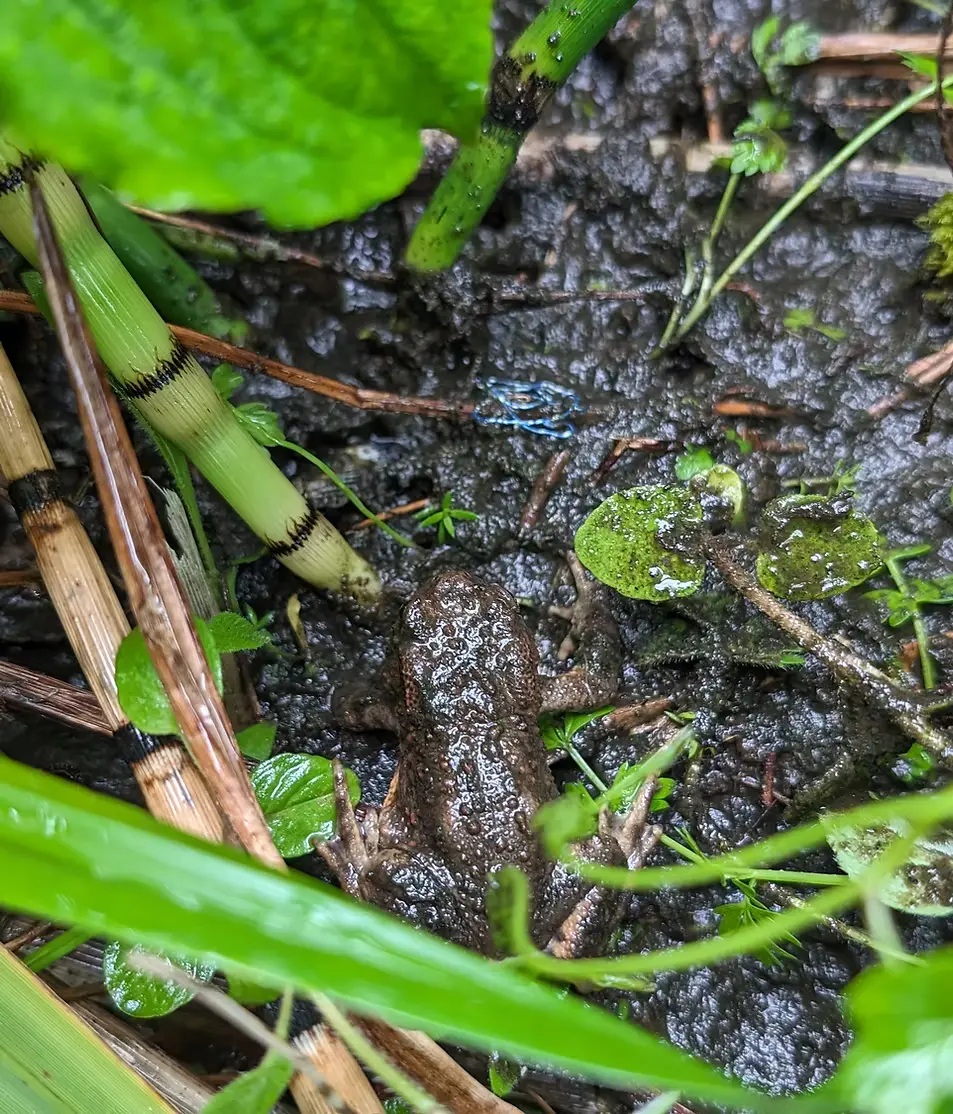
Rats are typically attracted to accessible food sources such as bird feeders, shelter, compost, or waste, not to clean water alone. A well-designed wildlife pond is more likely to attract frogs, newts, dragonflies and other beneficial species.
How long does it take for wildlife to establish?
Some colonisation happens quickly. Aquatic invertebrates may arrive within days of a pond being filled. Amphibians may use it within the first year. Meadow areas and structural planting usually take two to three seasons to mature.
Wildlife gardening is about steady ecological improvement rather than instant transformation.
Do I need a large garden to make a difference?
No.
Even small gardens can act as stepping stones between fragmented habitats, particularly in suburban Essex. Thoughtful additions — such as water, native planting and structural diversity — can significantly increase biodiversity value.
Is wildlife gardening high maintenance?
Generally no. It is often lower maintenance than conventional gardening once established.
Meadow areas may require one or two cuts per year. Native hedges require periodic trimming. Ponds need light seasonal management. The focus is on working with natural processes rather than constant intervention.