Wildlife Garden Habitats
Creating the right habitats for wildlife to thrive — grounded in ecology.
Wildlife garden habitats play a vital role in supporting biodiversity across Essex. Every garden has the potential to contribute. By creating the right habitats — including water, flowering plants, shelter and connectivity — even small spaces can become part of a wider network that supports nature’s recovery.
Each habitat below is carefully designed around the real needs of wildlife. At the same time, it remains practical, attractive and suited to everyday gardens across Essex.
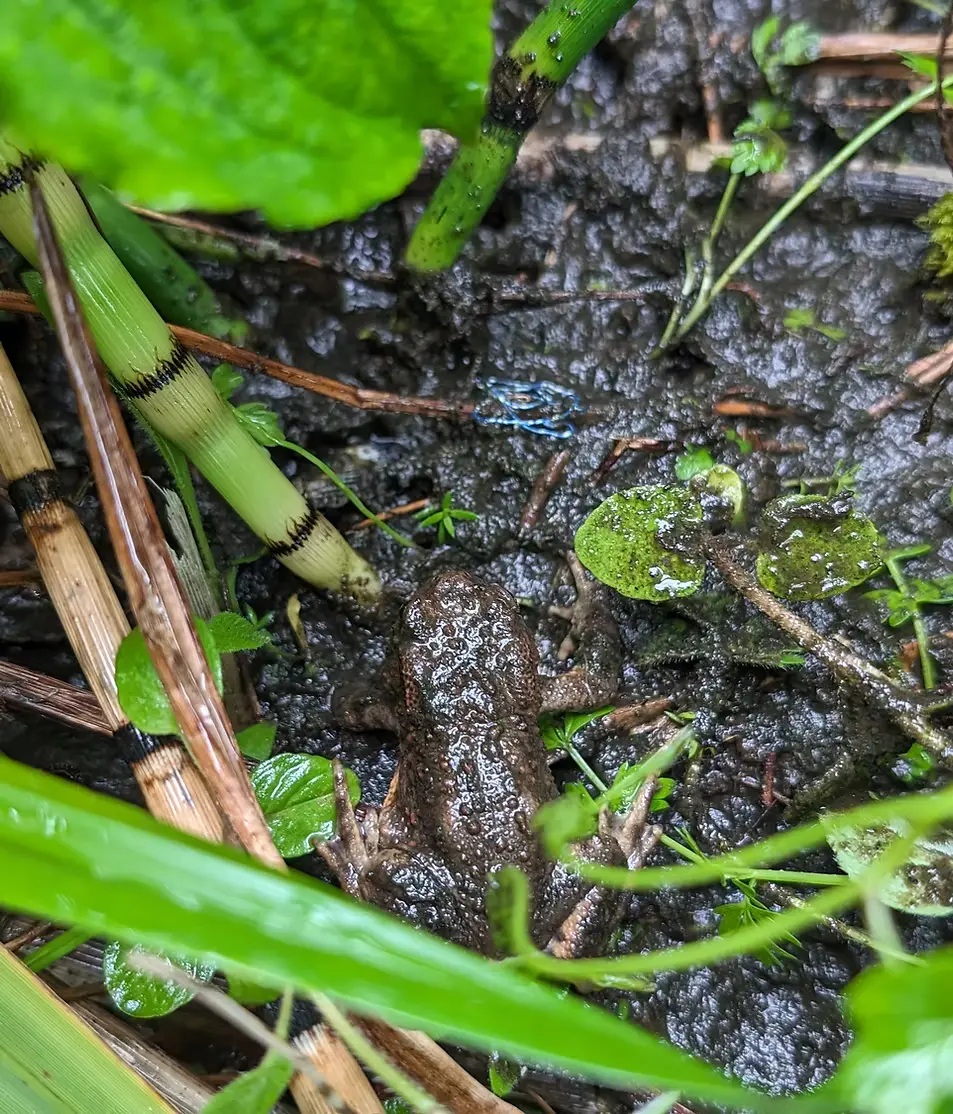
Wildlife Ponds & Wet Garden Habitats
A wildlife pond is far more than a garden feature. It is one of the most valuable wildlife garden habitats you can create. Water introduces movement, sound and calm, while supporting an extraordinary diversity of life.
Over the past century, the UK has lost hundreds of thousands of ponds. As a result, well-designed garden ponds now play a vital role in nature recovery. Even small ponds can act as stepping stones, helping wildlife move through built landscapes.
Clean, fish-free ponds support frogs, toads and newts. Dragonflies and damselflies rely on them as underwater nurseries before emerging as natural pest controllers. In addition, shallow margins and invertebrate-rich edges provide feeding opportunities for birds and small mammals, creating a complete and functioning food web.
I design wildlife ponds and wet garden features that work naturally with your soil conditions and available space. Using shallow profiles, native planting and sustainable design principles, each pond becomes part of a wider network of habitats — while remaining practical, attractive and enjoyable to live alongside.
Wildflower Areas & Meadow Lawns for Wildlife Gardens
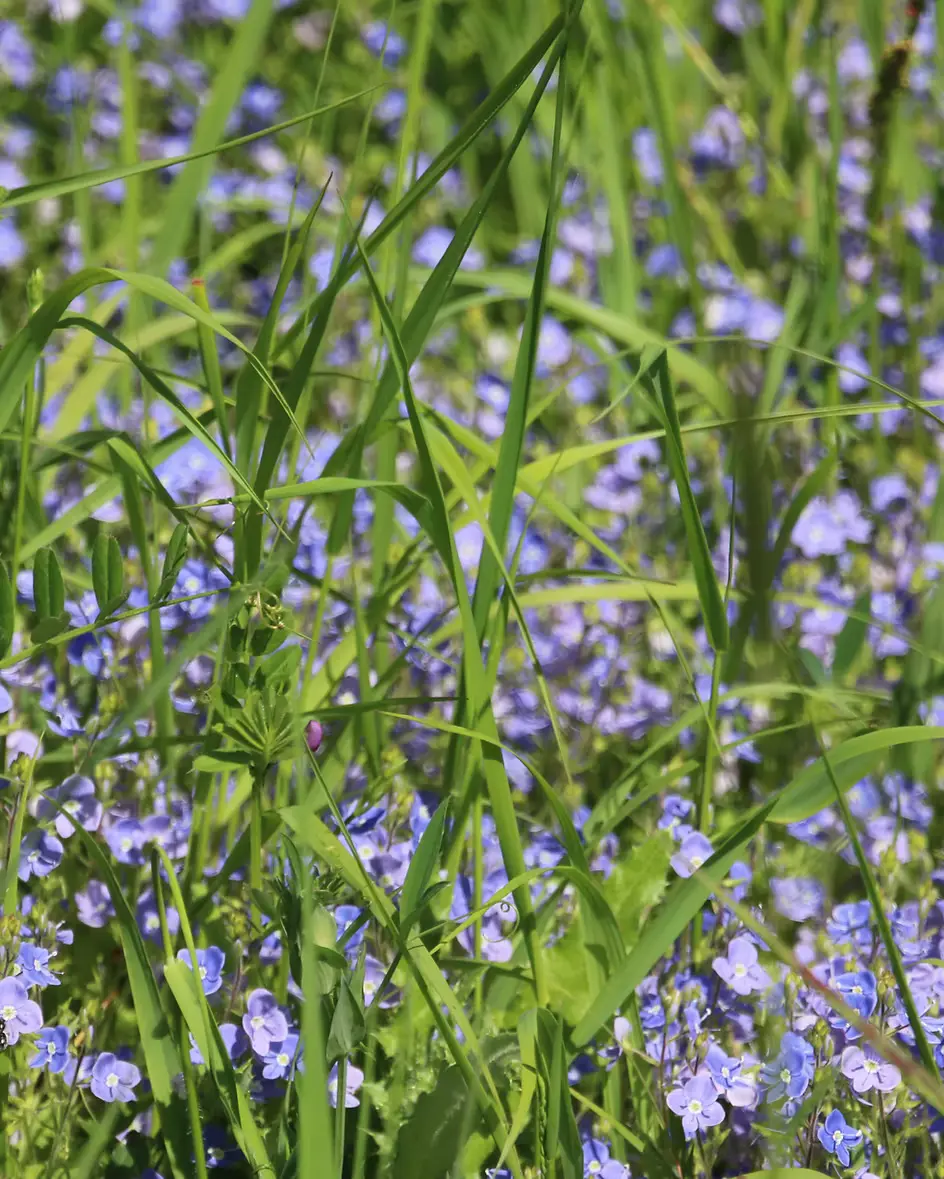
Wildflower patches and meadow lawns are among the most effective wildlife garden habitats you can create in Essex. By replacing frequently cut grass with flowering plants and longer swards, your garden begins to support wildlife throughout the year.
Across the UK, species-rich grassland has declined dramatically. In fact, around 97% of flower-rich meadows have been lost since the 1930s. As a result, gardens now play an increasingly important role in restoring nectar sources. This is especially true where mowing intensity is reduced, and flowering plants are allowed to set seed.
Many pollinator species depend on continuous nectar availability from early spring through late autumn.
Native wildflowers such as knapweed, bird’s-foot trefoil and ox-eye daisy provide essential nectar and pollen for bees, butterflies and hoverflies. Meanwhile, longer grass supports moths, beetles and other invertebrates. Seed heads left into autumn provide food for birds, and undisturbed areas offer vital overwintering refuge. Together, these features create a functioning grassland habitat.
I design and advise on wildflower areas and meadow lawns that suit your soil, space and level of maintenance. Whether in a small urban garden or a larger informal lawn, the focus is always on realistic establishment, appropriate species selection and long-term management. The result is a seasonal habitat that benefits wildlife while remaining practical, attractive and easy to live with.
Many gardens in Essex fall within Buglife’s B-Lines network — a national initiative designed to reconnect wildflower habitats for bees and other pollinators. Even small meadow areas can strengthen these corridors, helping wildlife move more effectively between green spaces.
The B-Lines network runs through much of the county, including areas around Chelmsford, Brentwood, Billericay and the Southend coast. Gardens within these corridors can therefore play a meaningful role in strengthening pollinator connectivity at a landscape scale.
Native Hedgerows & Living Boundaries
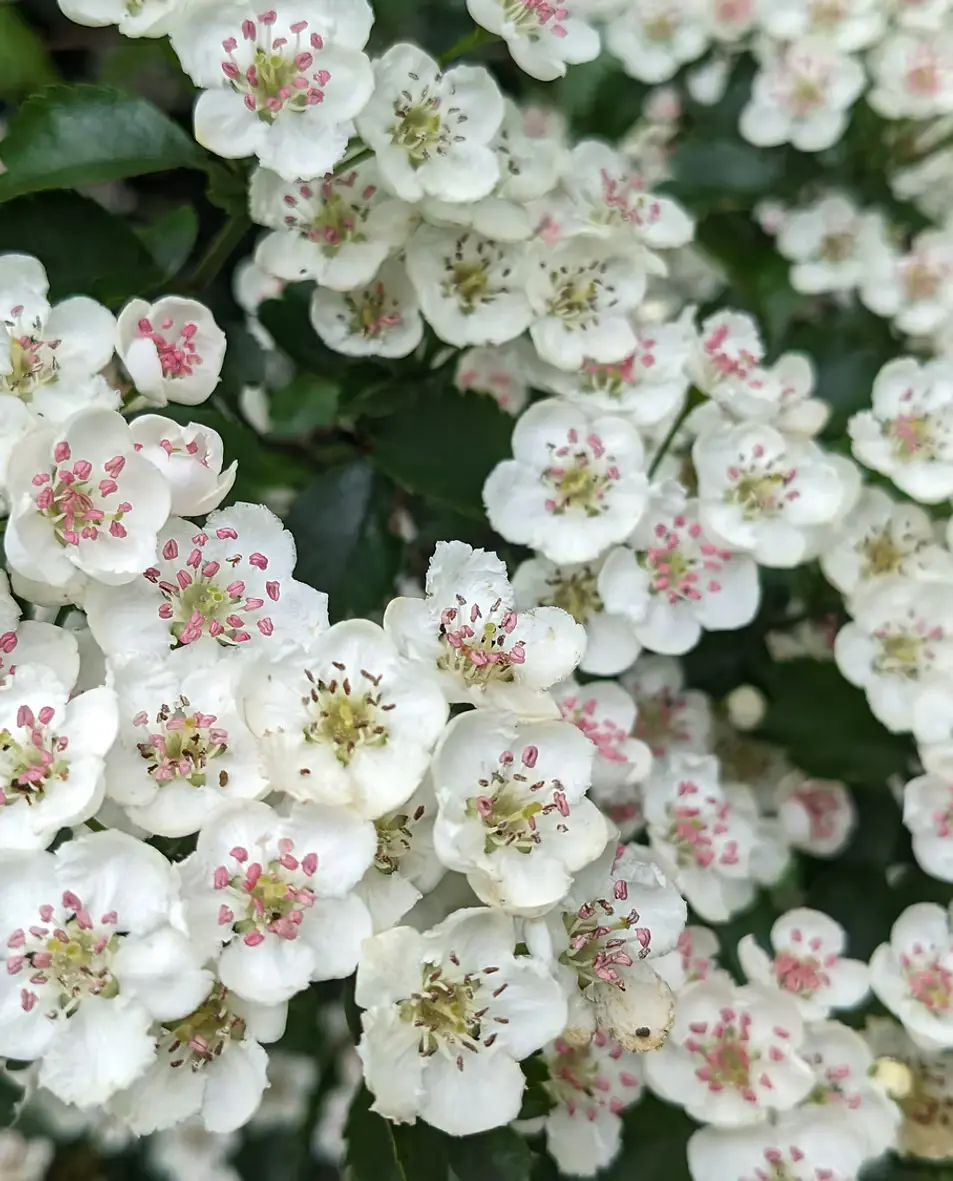
A native hedgerow is far more than a garden boundary. It is a living corridor that allows wildlife to move, feed and shelter within an increasingly fragmented landscape.
Since the mid-20th century, large areas of hedgerows have been lost across the UK. As a result, gardens now play an important role in reconnecting habitats. Even short stretches of native hedge can act as vital links between green spaces, supporting nature’s recovery at a local scale.
Hedgerows are recognised as priority habitats within UK conservation policy.
Native hedgerows provide nesting and foraging habitat for birds, as well as shelter for small mammals such as hedgehogs and voles. They also supply essential food through flowers, berries and nuts. In addition, bats use hedgerows as navigation routes between roosts and feeding areas. The dense structure supports a rich invertebrate community, which in turn underpins the wider food web.
I design and advise on native hedgerows using locally appropriate species and carefully considered planting layouts. Each hedge is planned to maximise wildlife value while working naturally as a boundary. Alongside their ecological role, well-designed hedgerows provide privacy, shelter and year-round seasonal interest — creating resilient, living features that enhance everyday garden spaces.
Wildlife Orchards & Fruit Tree Habitats
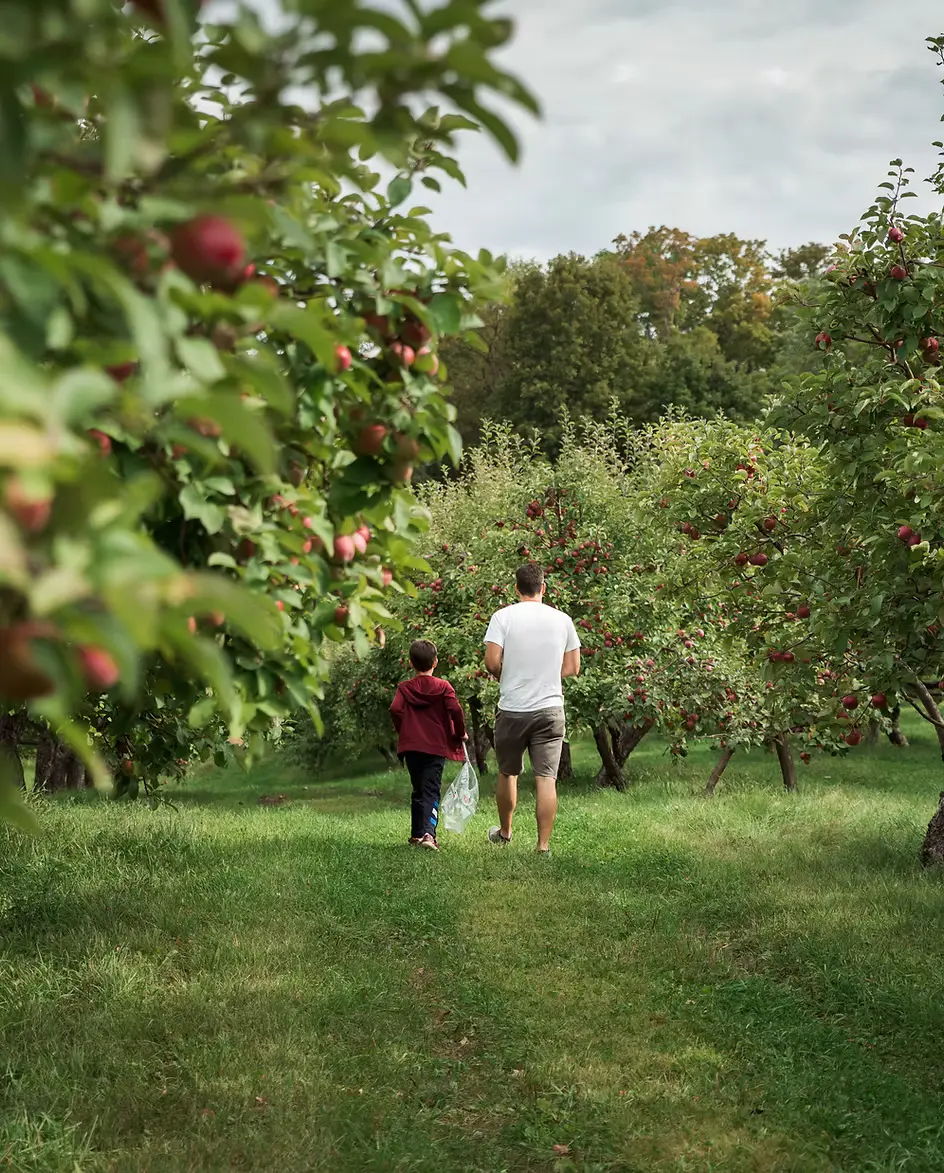
Wildlife orchards and fruit trees bring people and nature together in a way few garden habitats can. By combining blossom, fruit and long-lived trees, they create layered habitats that support wildlife while offering beauty, seasonal interest and harvests for people.
Traditional orchards are among the UK’s most wildlife-rich habitats. However, many have been lost through development and land-use change. Even at a garden scale, fruit trees can help restore elements of this lost habitat, particularly when planted as part of a wider mosaic of green spaces.
In spring, blossom provides vital early nectar for bees and other pollinators. As the season progresses, developing foliage and fruit support a wide range of insects, which in turn feed birds and bats. Fallen fruit, leaf litter, and rough grass beneath trees provide shelter and feeding opportunities for invertebrates and small mammals. Over time, older or slower-growing trees can develop features valuable to fungi, beetles and cavity-nesting species.
I design and advise on wildlife orchards and fruit tree planting using carefully chosen varieties and considered layouts. Each orchard is planned to maximise ecological value while remaining practical for domestic gardens of all sizes. Whether planting a single tree or establishing a small orchard, these long-lived features contribute to biodiversity recovery while creating resilient, productive habitats that continue to evolve.
Wildlife Thickets & Natural Shelter Areas
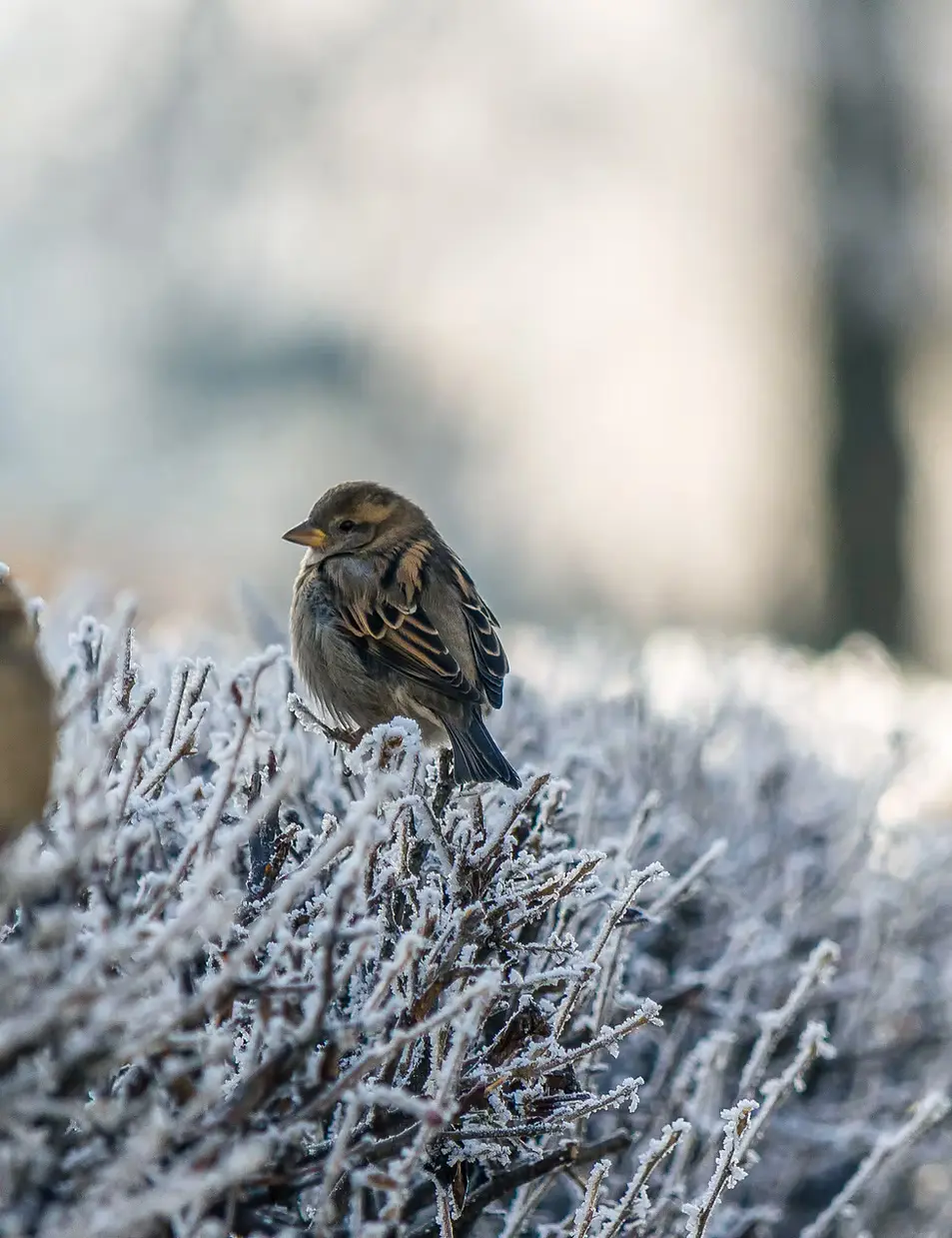
Wildlife thickets and natural shelter areas provide the structure, cover and complexity that many species need to survive. By allowing parts of a garden to grow more naturally, these habitats create safe spaces for wildlife to rest, nest, breed and overwinter. At the same time, they add depth and softness to the landscape.
Many species are declining not only due to food shortages, but also because suitable shelter has disappeared from intensively managed landscapes. Dense planting, shrubby edges and layered vegetation recreate the structural habitat that wildlife depends on — features that are often missing from modern gardens.
Natural shelter areas provide nesting and cover for birds such as wrens, robins and blackbirds. Mammals, including hedgehogs and voles, rely on dense vegetation for protection and movement. In addition, leaf litter, hollow stems and decaying plant material offer essential overwintering habitat for invertebrates, supporting the wider food web.
I design wildlife thickets using native shrubs and layered planting arranged to provide shelter at different heights. These areas often link seamlessly with hedgerows, orchard edges or pond margins to strengthen ecological connectivity. Where appropriate and safe, fallen branches and decaying wood are discreetly retained or incorporated, increasing habitat value while keeping the garden practical and visually balanced.